Table of contents
- The Status and Importance of Women in Islam
- Women in the Battlefield: Courage and Sacrifice
- Women’s Role in the Spread of Knowledge
- Women in Social Welfare and Development
- The Role of Women in Supporting the Prophet ﷺ
- Modern Challenges and Misconceptions
- Lessons from Islamic History
- Conclusion
- Frequently Asked Questions About The Role of Women in Islamic History
- 1. What is the role of women in Islam?
- 2. Did women participate in battles in Islamic history?
- 3. Who was the most knowledgeable female scholar in Islam?
- 4. What is the importance of hijab in Islam?
- 5. Can women contribute to education in Islam?
- 6. What lessons can modern women learn from Islamic history?
- 7. Did Islam give rights to women?
From the earliest days of Islam, women have played a powerful and transformative role in shaping society, preserving faith, and supporting the mission of Islam. Far from being confined to limited roles, Muslim women emerged as scholars, warriors, caregivers, and leaders who contributed meaningfully to both spiritual and worldly progress.
Their lives reflect resilience, sacrifice, and unwavering faith. Whether in times of peace or hardship, they stood shoulder to shoulder with men, offering strength, wisdom, and compassion. Today, revisiting their legacy is not just an act of remembrance—it is a roadmap for empowerment rooted in dignity, purpose, and faith.

Read More : Sayyidah Khadijah al-Kubra (RA)
The Status and Importance of Women in Islam
Islam elevated the status of women at a time when they were deprived of basic rights. Women were granted dignity, respect, and clearly defined rights as mothers, daughters, wives, and sisters.
- A mother is honored as a source of Paradise
- A daughter is a means of divine mercy
- A wife is a source of peace and companionship
- A sister embodies love and sacrifice
The concept of filial piety (Birr al-Walidayn) and maintaining family ties (Silat ar-Rahim) highlights the central role women play in nurturing strong, moral societies.
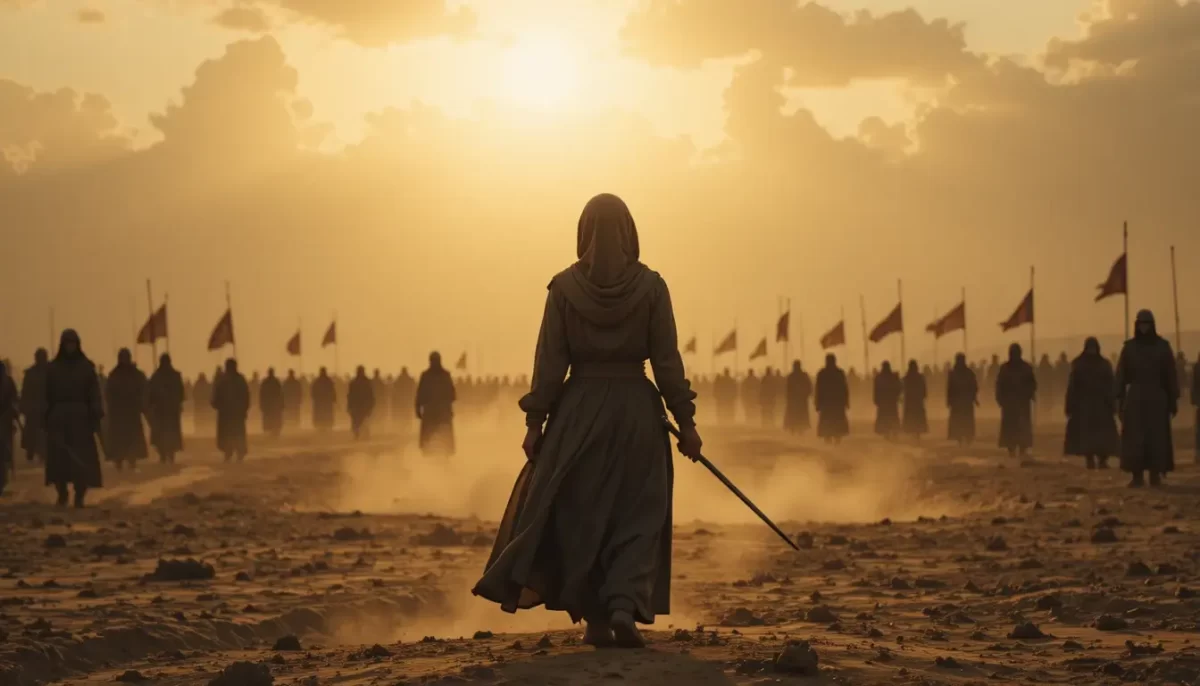
Women in the Battlefield: Courage and Sacrifice
The Bravery of Umm Ammarah (Nusaybah bint Ka‘b)
One of the most remarkable examples is Umm Ammarah, who participated in several battles including Uhud. Initially assisting by providing water and care to wounded soldiers, she stepped into combat when Muslims faced difficulty.
Despite sustaining multiple injuries, she defended the Prophet ﷺ with unmatched bravery.
Her actions demonstrate that Muslim women were not passive observers but active participants when needed.
The Heroism of Safiyyah bint Abdul Muttalib
During the Battle of the Trench, when enemy forces attempted to infiltrate a fortress where women were present, Safiyyah showed extraordinary courage.
She single-handedly eliminated a spy who tried to breach security, protecting the entire group. Her fearless response prevented a potential disaster.
The Inspirational Spirit of Al-Khansa
The famous poetess Al-Khansa not only inspired others through her words but also through her actions. During the Battle of Qadisiyyah, she encouraged her four sons to fight bravely.
Before the battle, she said:
“My sons, you embraced Islam willingly… Remember that the eternal life of the Hereafter is better than this temporary world.”
All four of her sons were martyred, and instead of despair, she expressed gratitude for their sacrifice—an unmatched example of faith and strength.

Read More : Sayyida Fatima al-Zahra
Women’s Role in the Spread of Knowledge
Aisha (may Allah be pleased with her): A Scholar of Islam
Aisha, the wife of the Prophet ﷺ, was among the greatest scholars in Islamic history. She narrated over 2,000 hadiths and taught many companions.
- Over 200 scholars learned from her
- She provided legal rulings and interpretations
- Her knowledge shaped Islamic jurisprudence
Her contribution highlights the importance of Islamic education for women.
Umm Salamah: Wisdom and Jurisprudence
Umm Salamah was known for her intelligence and insight. She played a key role in advising the Prophet ﷺ during critical moments and was among the leading female jurists.
Women in Education and Scholarship
Throughout early Islamic history:
- Women memorized the Qur’an
- They taught hadith and fiqh
- They actively participated in spreading Islamic knowledge
Even the daughter of Imam Malik memorized the entire Muwatta and corrected students from behind a curtain—showing deep scholarly engagement.
Women in Social Welfare and Development
Zubaydah bint Ja‘far: A Visionary Leader
Zubaydah, the wife of Caliph Harun al-Rashid, funded one of the greatest public welfare projects:
- Construction of water canals for pilgrims (known as Nahr Zubaydah)
- Support for education and public services
Her contributions show that Muslim women were leaders in community development and infrastructure.
Establishing Schools and Welfare Institutions
Women also played a vital role in:
- Building madrasas (Islamic schools)
- Supporting orphans and the poor
- Establishing traveler lodges
Their efforts contributed to a well-functioning and compassionate society.

Read More: The Concept of Jihad in Islam
The Role of Women in Supporting the Prophet ﷺ
Fatimah al-Zahra: Strength in Adversity
Fatimah (may Allah be pleased with her) supported the Prophet ﷺ during times of hardship.
When an enemy placed filth on the Prophet’s back while he was in prostration, she rushed to remove it—showing courage even at a young age.
Asma bint Abu Bakr: The Woman of Courage
During the migration (Hijrah), Asma secretly delivered food to the Prophet ﷺ and her father in the Cave of Thawr.
Despite danger and interrogation, she never revealed their location—earning the title Dhat al-Nitaqayn (the woman of two belts).
Modern Challenges and Misconceptions
Today, many misunderstand freedom and empowerment. Influenced by external ideologies, some view modesty (hijab) and moral values as limitations.
However, Islamic teachings emphasize:
- Dignity over display
- Character over appearance
- Purpose over trends
True empowerment lies in balancing faith, knowledge, and contribution—not in abandoning identity.
Lessons from Islamic History
From these remarkable women, we learn:
- Strength comes from faith and conviction
- Education is essential for both men and women
- Women can lead, teach, and contribute meaningfully
- Modesty enhances dignity, not restricts it
- Family and society thrive through women’s roles
Conclusion
The history of Islam is illuminated by the extraordinary contributions of women who shaped generations through courage, knowledge, and sacrifice. Their lives are not just stories—they are timeless examples of leadership, resilience, and faith.
Reconnecting with this legacy allows modern Muslim women to rediscover their true potential—rooted in dignity, guided by faith, and driven by purpose.
Frequently Asked Questions About The Role of Women in Islamic History
1. What is the role of women in Islam?
Women in Islam play vital roles as mothers, educators, scholars, and contributors to society while maintaining dignity and moral values.
2. Did women participate in battles in Islamic history?
Yes, women like Umm Ammarah and Safiyyah actively participated in battles, providing support and even engaging in combat when necessary.
3. Who was the most knowledgeable female scholar in Islam?
Aisha (may Allah be pleased with her) is considered one of the greatest scholars, narrating thousands of hadiths.
4. What is the importance of hijab in Islam?
Hijab represents modesty, dignity, and protection, helping maintain moral values in society.
5. Can women contribute to education in Islam?
Absolutely. Women have historically been teachers, scholars, and transmitters of knowledge.
6. What lessons can modern women learn from Islamic history?
They can learn resilience, faith, leadership, and the importance of balancing personal and social responsibilities.
7. Did Islam give rights to women?
Yes, Islam granted women rights to inheritance, education, marriage, and dignity long before many other societies.