
Table of contents
- What Is Meant by Media?
- The Importance and Benefits of Media
- The Power of Media in Shaping Minds
- A Prophetic Warning About Public Misguidance
- Ethical Limits of Media in Islam
- The Harmful Effects of Misused Media
- Media and the Younger Generation
- The Responsibility of Parents and Institutions
- Positive Use of Media and Calling Toward Goodness
- Verify Information Before Sharing
- Promoting Good and Preventing Harm
- Media Should Strengthen Brotherhood
- Avoid Suspicion, Scandal, and Investigative Intrusion
- Truthfulness Is the Foundation
- Practical Guidelines for Muslims Using Media
- Conclusion
- Frequently Asked Questions About Positive Use of Media in Islam
In today’s world, media shapes thought, influences public behavior, and directs social conversation. News channels, newspapers, websites, mobile apps, and social media platforms have become part of everyday life. Through them, ideas travel across borders in seconds, opinions are formed rapidly, and public attitudes can change almost instantly.
This extraordinary power makes media one of the most influential forces of our age. It can educate, connect, and guide people toward beneficial knowledge. Yet the same tools can also spread falsehood, indecency, character assassination, and moral confusion.
Islam does not reject communication technology. Rather, it teaches that every blessing must be used with responsibility, truthfulness, and moral discipline. Media therefore becomes either a means of reward or a cause of harm, depending on how it is used.
This article explores the importance of media, its influence on society, the dangers of misuse, and how Muslims can transform it into a powerful means of spreading goodness and inviting people toward righteousness.
What Is Meant by Media?
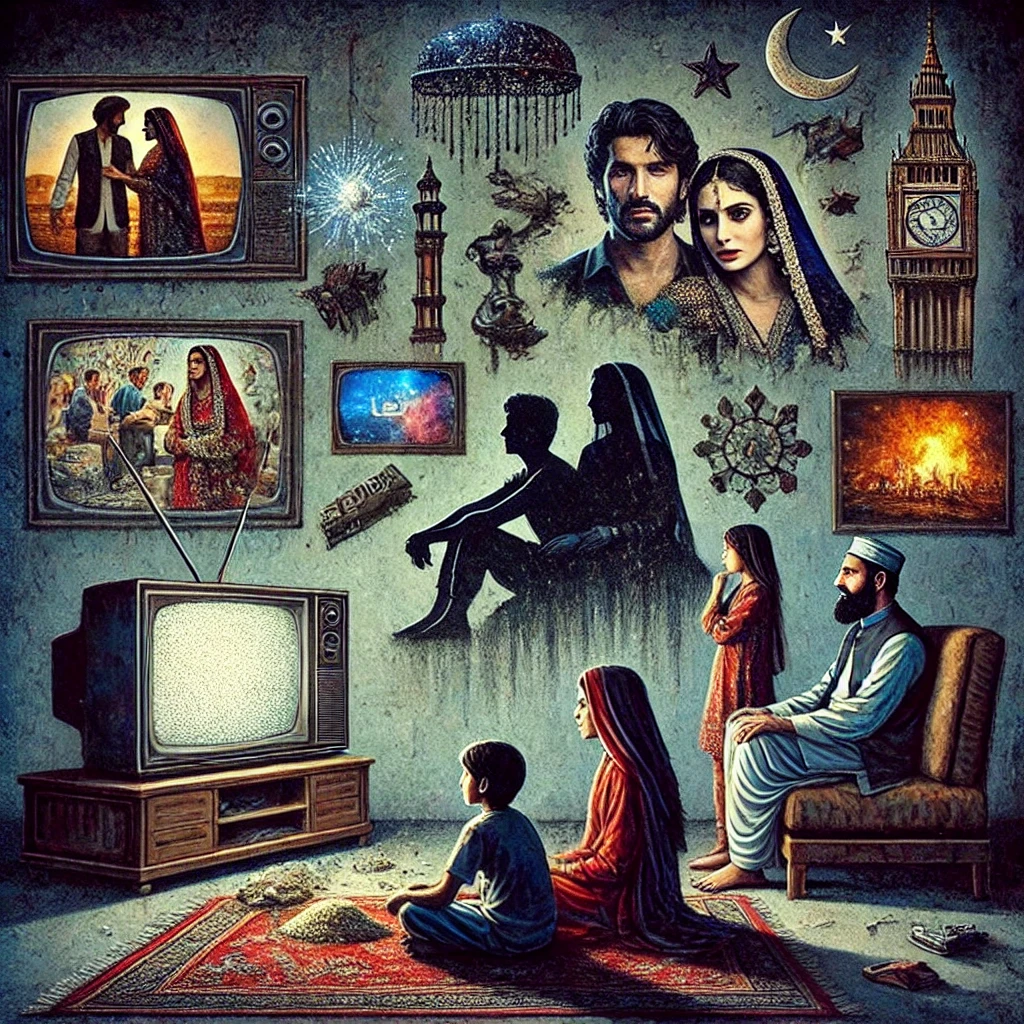
Media refers to every means through which a message reaches other people. It includes electronic media, print media, and digital platforms.
Common examples include:
- Radio
- Television
- Newspapers and magazines
- Websites and blogs
- Social media networks
- Audio and video calling applications
Through these channels, communication has become easier, faster, and more accessible than ever before.
The Importance and Benefits of Media
The usefulness of media cannot be denied. It has become deeply integrated into nearly every sphere of life.
Today the world resembles a global village. People living in distant countries can communicate instantly. A student can enroll in an online class at a university located thousands of miles away. News from any part of the world appears on screens within moments.
Live reporting allows viewers not only to hear about events but to witness them directly. Audio and video communication also allow families, friends, and communities to remain connected across continents.
Media has also become highly accessible. Even individuals who may not be able to write can now use voice tools to search, communicate, and obtain information.
Educational and Social Benefits
Media has produced many positive social outcomes:
- It has increased public awareness.
- It has improved access to knowledge and skills.
- It has enabled online business and commerce.
- It has facilitated religious education through online learning platforms.
- It helps people remain informed about current affairs.
Because of these benefits, modern life without media is difficult to imagine.

The Power of Media in Shaping Minds
Media today is not merely a tool of communication. It has become a powerful force of mental and social influence.
It shapes perception. It frames public debate. It often determines what people pay attention to and what they ignore.
In many societies, people frequently think, discuss, and react according to what media presents before them. Sometimes truth is weakened, exaggeration is amplified, and narratives are constructed before facts are carefully examined.
Governments, political movements, institutions, and powerful groups often recognize this influence. As a result, media can become an instrument of pressure, persuasion, and social engineering.
A Prophetic Warning About Public Misguidance
The Messenger of Allah ﷺ warned of a time when confusion would dominate public affairs.
“Before the Hour there will be years of deception. In them the liar will be believed and the truthful will be rejected. The dishonest will be trusted and the trustworthy will be accused. And the Ruwaybidah will speak.”
It was asked: “Who are the Ruwaybidah?” He replied: “A foolish and insignificant person speaking about public matters.”
— Ibn Majah
This hadith offers a profound warning about irresponsible public commentary, uninformed opinion-making, and manipulation of collective understanding.
Ethical Limits of Media in Islam
Islam establishes clear moral boundaries for speech, communication, and public expression.
Mockery, humiliation, character assassination, abusive labeling, and public ridicule are forbidden.
Allah says:
“O you who believe, let not one people ridicule another people; perhaps they may be better than them…”
— Surah al-Hujurat 49:11
This verse establishes a timeless ethical principle. Media must never become a vehicle for contempt, humiliation, or personal destruction.
The Harmful Effects of Misused Media
While media offers enormous benefit, misuse of media can produce deep moral and social damage.
Promotion of Indecency
Entertainment content often promotes immodesty, vulgarity, and normalization of shameless behavior. In many cases, family values are weakened through repeated exposure to harmful narratives.
Weakening of Family Structure
Television dramas and online content frequently portray disobedience to parents, disrespect toward elders, and unhealthy relationships as acceptable or normal.
Spread of Immoral Digital Culture
Social platforms can also become avenues for:
- inappropriate interaction between unrelated men and women
- obscene content
- addictive consumption of harmful entertainment
- public exhibitionism and shameless self-promotion
Cyber Harassment and Abuse
Misuse of digital platforms can also lead to:
- harassment through messaging apps
- misuse of personal information
- hacking and fraud
- reputational damage through edited content and false allegations
These harms are not theoretical. They affect families, youth, communities, and institutions.
Media and the Younger Generation
Young people are especially vulnerable because media not only informs them—it shapes their emotional imagination, social habits, and moral expectations.
Repeated exposure to harmful content gradually influences attitudes toward modesty, relationships, authority, and personal conduct.
This is why parents, educators, and community leaders must remain attentive. Digital exposure is not neutral. It forms habits, preferences, and long-term moral orientation.
The Responsibility of Parents and Institutions
Families and institutions share an important responsibility.
Parents should:
- monitor children’s online activity
- teach ethical digital behavior
- set reasonable boundaries for screen usage
- discuss harmful content openly and wisely
Public institutions also carry responsibility. Regulatory frameworks should discourage the promotion of obscenity, dishonesty, and harmful social influence.
Positive Use of Media and Calling Toward Goodness
Media can become one of the most effective means of inviting people toward righteousness.
Instead of spreading confusion and moral corruption, it can be used to spread truth, beneficial knowledge, and spiritual guidance.
Media as a Means of Da‘wah
Through responsible media use, Muslims can:
- share Qur’anic teachings
- explain Prophetic guidance
- educate people about Islamic ethics
- strengthen belief and good character
- reach homes, communities, and global audiences
Today even a single responsible post, lecture, article, or video can reach thousands of people.
Verify Information Before Sharing
Islam strongly emphasizes verification.
Allah says:
“O you who believe, if a sinful person brings you news, verify it…”
— Surah al-Hujurat 49:6
This principle is especially relevant in the age of instant sharing.
Before forwarding information, Muslims should ask:
- Is it true?
- Is it verified?
- Is it beneficial?
- Could it harm someone unjustly?
Speed does not justify negligence.
Promoting Good and Preventing Harm
One of the defining qualities of the Muslim community is encouraging what is right and discouraging what is wrong.
Allah says:
“You are the best nation brought forth for mankind: you enjoin what is right and forbid what is wrong, and you believe in Allah.”
— Surah Aal ‘Imran 3:110
Media therefore should not merely entertain. It should also educate, uplift, and morally benefit society.
Media Should Strengthen Brotherhood
Social stability depends upon mutual respect, reconciliation, and brotherhood.
Allah says:
“The believers are but brothers, so make peace between your brothers.”
— Surah al-Hujurat 49:10
The Prophet ﷺ said:
“The believer to another believer is like a building whose parts support one another.”
— Bukhari, Muslim
Media should therefore help reduce hatred, promote understanding, and strengthen unity.
Avoid Suspicion, Scandal, and Investigative Intrusion
A culture of constant exposure, scandal-seeking, and sensationalism can become spiritually destructive.
Allah says:
“Avoid much suspicion. Indeed some suspicion is sin.”
— Surah al-Hujurat 49:12
Not every hidden matter deserves public exposure. Not every rumor deserves amplification. Responsible media distinguishes between public benefit and harmful intrusion.
Truthfulness Is the Foundation
Truth is central to Islamic communication.
Allah says:
“O you who believe, fear Allah and be with the truthful.”
— Surah al-Tawbah 9:119
The Messenger of Allah ﷺ said:
“Truth leads to righteousness, and righteousness leads to Paradise… falsehood leads to wickedness, and wickedness leads to the Fire.”
— Bukhari, Muslim
Media that sacrifices truth for ratings, popularity, or influence undermines public trust and moral order.
Practical Guidelines for Muslims Using Media
A Muslim should use media with purpose and discipline.
Before posting, sharing, or commenting, ask:
- Is it true?
- Is it beneficial?
- Is it respectful?
- Is it morally sound?
- Would I be comfortable being accountable for it before Allah?
Good uses of media include:
- sharing beneficial Islamic knowledge
- promoting honesty and compassion
- supporting family values
- encouraging community welfare
- spreading verified educational content
Conclusion
Media is among the defining forces of our age. It has immense power to educate, connect, and reform. It also has immense power to mislead, corrupt, and divide.
Islam teaches balance, responsibility, and moral accountability. The issue is not whether media exists. The real question is whether it will be used for truth or falsehood, for moral benefit or social harm.
Every Muslim has a role. A journalist, teacher, parent, student, writer, speaker, or social media user can all contribute to spreading goodness.
When used with sincerity, truthfulness, and wisdom, media becomes a means of service to humanity and a path toward the pleasure of Allah.
Frequently Asked Questions About Positive Use of Media in Islam
Is social media permissible in Islam?
Yes. Social media itself is a tool. Its permissibility depends on how it is used. Beneficial and ethical use is permissible, while sinful or harmful use is blameworthy.
What does Islam say about sharing unverified news?
Islam requires verification before sharing information, especially when it may harm people or spread falsehood.
Why is media so powerful today?
Because it shapes public perception, influences emotions, directs attention, and rapidly spreads ideas across societies.
How can Muslims use media positively?
By spreading beneficial knowledge, promoting good character, sharing authentic Islamic teachings, and avoiding harmful or misleading content.
Is character assassination prohibited in Islam?
Yes. Mockery, humiliation, slander, and damaging reputations without justice are prohibited.
Why should parents supervise children’s media usage?
Because digital content influences moral values, habits, social behavior, and emotional development.
Can media be used for da‘wah?
Yes. Responsible media is one of the strongest modern means of inviting people toward truth and righteousness.