
Table of contents
- The Centrality of Love and Respect for Prophet Muhammad ﷺ in Islam
- Religious Reverence and Emotional Reality of Believers
- Historical Examples of Religious Sensitivity in the West
- The Double Standards in Freedom of Expression
- Blasphemy and Islamic Legal Perspective
- Modern Western Incidents and Public Reactions
- Islamophobia and Media Representation
- International Law and Religious Respect
- The Role of Governments and Institutions
- Call for Responsible Global Conduct
- Frequently Asked Questions About Blasphemy of Prophet Muhammad ﷺ and Freedom of Speech
- 1. Why is blasphemy such a sensitive issue in Islam?
- 2. Does Islam allow criticism of religion?
- 3. What is the Islamic ruling on blasphemy historically?
- 4. How does freedom of speech relate to religion?
- 5. Why do Muslims react strongly to blasphemy?
- 6. Is there a double standard in the West regarding free speech?
- 7. What is the Islamic solution to such conflicts?
- 8. Can such tensions be resolved globally?
- Conclusion
In today’s interconnected world, freedom of expression is often presented as an absolute value. However, its boundaries become highly controversial when it intersects with religious sanctities.
For Muslims, the honor of Prophet Muhammad ﷺ is not merely a matter of respect—it is directly tied to faith itself.
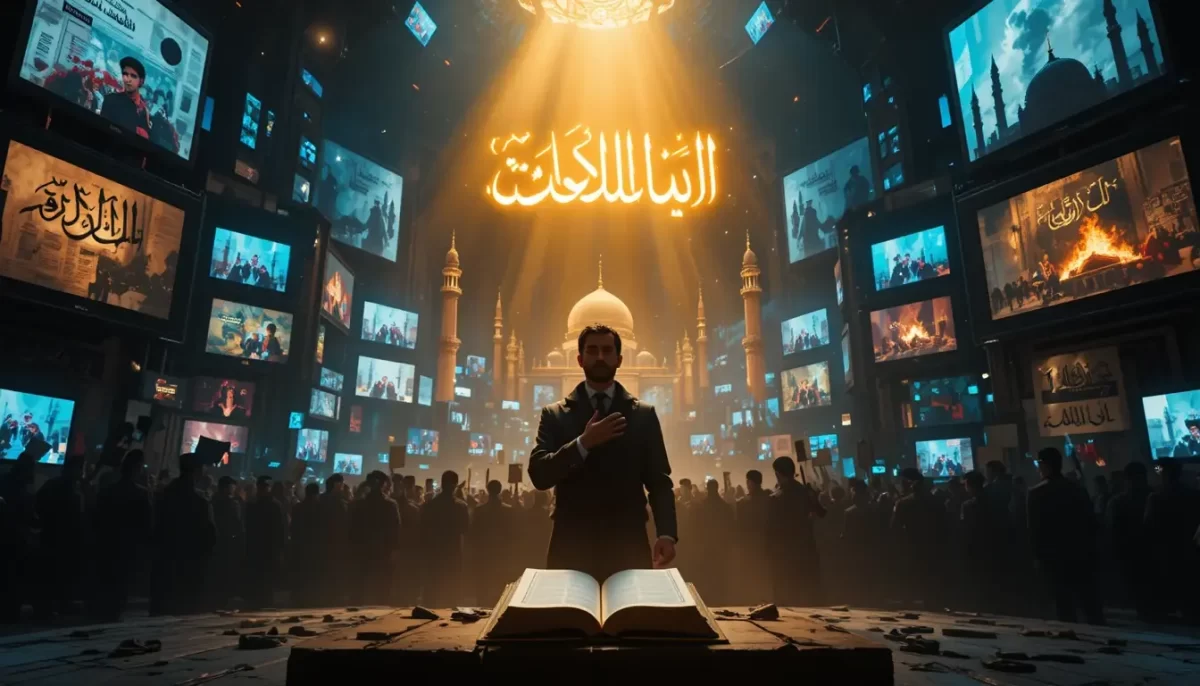
Across recent decades, repeated incidents of blasphemous portrayals have sparked global outrage, raising serious questions about the limits of free speech, religious sensitivity, and international responsibility.
This discussion explores the Islamic viewpoint, historical incidents in Europe and the West, and the ongoing debate surrounding freedom of expression versus respect for religious beliefs.
The Centrality of Love and Respect for Prophet Muhammad ﷺ in Islam
In Islam, love for the Prophet ﷺ is an essential component of faith. A believer’s faith is considered incomplete unless the Prophet ﷺ is dearer to them than all worldly attachments.
The Qur’an emphasizes obedience, respect, and reverence for the Messenger ﷺ:
“So that you may believe in Allah and His Messenger, support and honor him, and glorify Allah morning and evening.” (Al-Fath 48:9)
This verse highlights three key responsibilities: belief, support, and deep reverence.
Similarly, another Qur’anic principle declares:
“Say: If your fathers, your sons, your brothers, your spouses… are more beloved to you than Allah and His Messenger and striving in His path, then wait…” (At-Tawbah 9:24)
This verse establishes a clear hierarchy of love in Islam—where devotion to Allah and His Messenger ﷺ comes above all else.
The Prophet ﷺ himself stated:
“None of you truly believes until I am more beloved to him than his parents, his children, and all mankind.” (Sahih al-Bukhari)
This foundational teaching explains why any insult directed toward the Prophet ﷺ is not viewed as a minor offense, but as a deeply painful assault on faith itself.
Religious Reverence and Emotional Reality of Believers
Respect for religious figures is a natural human instinct. Every faith community holds its sacred symbols, prophets, and scriptures in high regard.
For Muslims, the Prophet Muhammad ﷺ is not only a historical figure but the final messenger of God. Therefore, any act of insult is perceived not as satire or criticism, but as direct aggression toward religious identity.
This emotional and spiritual bond explains why reactions to blasphemy are often intense and deeply felt across the Muslim world.

Historical Examples of Religious Sensitivity in the West
Interestingly, Western societies themselves demonstrate strong emotional responses when their religious or historical figures are insulted.
For example:
- Depictions of Prophet Jesus (ʿIsa عليه السلام) or the Virgin Mary (Maryam عليها السلام) have previously triggered strong reactions among Christian communities.
- Artistic works perceived as offensive have often been condemned as “religious disrespect” rather than accepted as free expression.
These examples show that sensitivity toward sacred beliefs is not unique to Islam; it is a universal human response.
The Double Standards in Freedom of Expression
A major concern raised by many scholars and observers is the perceived inconsistency in how “freedom of speech” is applied:
- Offensive remarks against racial groups are condemned as racism.
- Derogatory speech against Jews is labeled antisemitism.
- Offensive content about women is condemned as sexism.
- Yet, when it comes to Islam and the Prophet ﷺ, similar acts are often defended as “freedom of expression.”
This selective application of principles raises serious ethical questions about fairness, equality, and consistency in global discourse.
Blasphemy and Islamic Legal Perspective
Classical Islamic jurisprudence has historically treated blasphemy as a serious offense. Prominent jurists from early Islamic history discussed strict consequences for deliberate insult against prophets.
For instance, Imam Abu Yusuf (a leading early jurist) held that insulting the Prophet ﷺ constitutes disbelief.
Many classical scholars also emphasized the seriousness of such acts, viewing them as attacks on the moral and spiritual order of society.
However, it is important to understand that these views belong to specific historical legal contexts and scholarly traditions. They are not presented here as calls for action but as part of Islamic legal history and thought.
Modern Western Incidents and Public Reactions
In recent decades, several incidents have intensified global tensions, including:
- Publication of controversial cartoons depicting Prophet Muhammad ﷺ in European newspapers
- Release of films and documentaries considered offensive by Muslims
- Artistic exhibitions portraying religious symbols in disrespectful ways
- Repeated online dissemination of blasphemous content on global platforms
These events have repeatedly triggered protests, diplomatic tensions, and widespread condemnation across Muslim-majority countries.
Islamophobia and Media Representation
Many scholars argue that certain patterns of media representation have contributed to growing Islamophobia in Western societies.
Concerns include:
- Repeated association of Islam with extremism
- Lack of balanced representation of Islamic teachings
- Selective focus on controversial narratives
- Ignoring the emotional impact on Muslim communities
This environment, according to critics, deepens misunderstanding and increases cultural tension.
International Law and Religious Respect
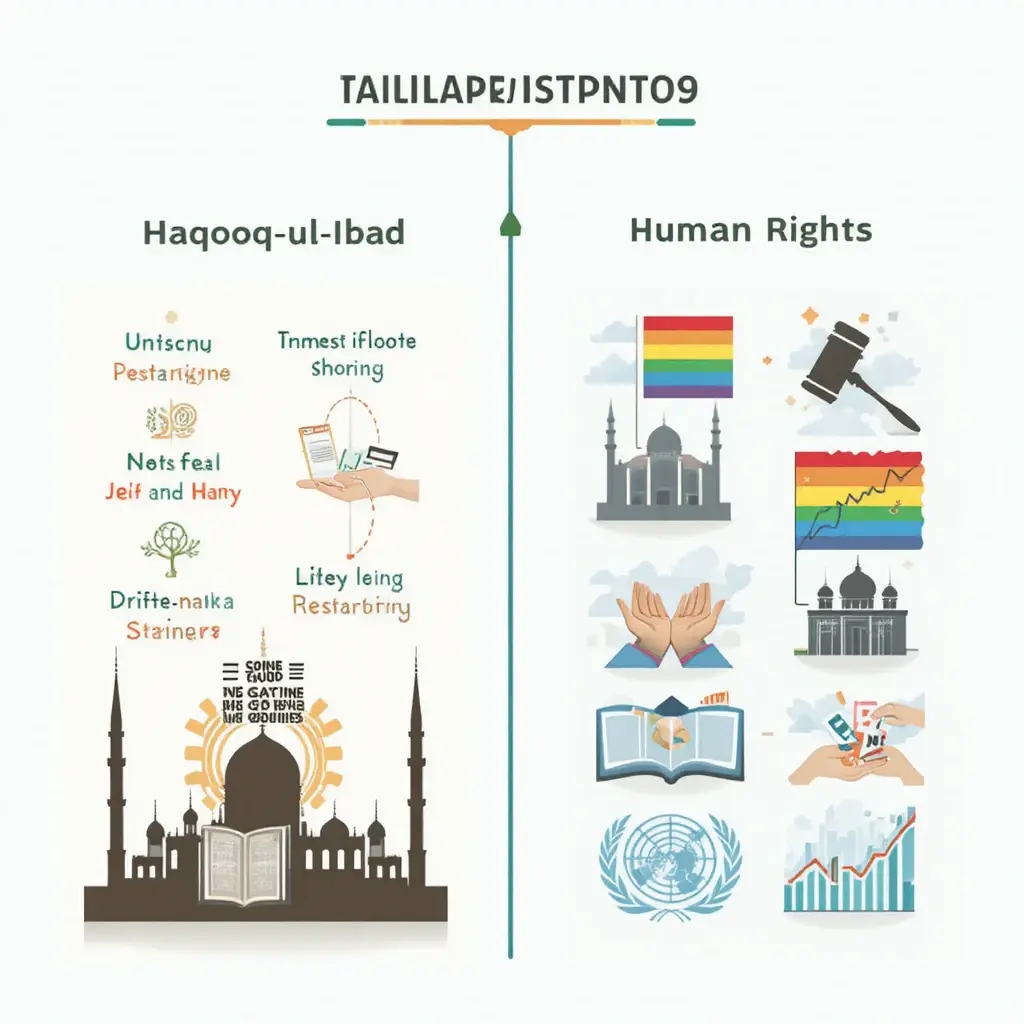
International human rights frameworks emphasize both freedom of expression and protection of dignity.
Key principles include:
- Freedom of expression is not absolute
- Rights come with responsibilities
- Public order and respect for others must be maintained
Documents such as the International Covenant on Civil and Political Rights (Article 19) recognize freedom of speech but also allow restrictions when it affects public order or harms the rights of others.
This shows that even global law acknowledges limits to expression when it harms religious or social harmony.
The Role of Governments and Institutions
Governments and international organizations are often called upon to balance two important values:
- Freedom of expression
- Respect for religious beliefs
Many Islamic voices argue that stronger legal frameworks are needed to prevent deliberate provocation and hate speech disguised as artistic or journalistic freedom.
The goal, they emphasize, is not censorship but prevention of hate and promotion of peaceful coexistence.
Call for Responsible Global Conduct
For global peace and stability, mutual respect is essential. No society can function harmoniously if deeply held beliefs are repeatedly insulted.
Key recommendations often include:
- Establishing clear legal limits against religious hate speech
- Encouraging interfaith respect and dialogue
- Avoiding provocative content that targets sacred symbols
- Strengthening international cooperation to reduce religious tensions
Frequently Asked Questions About Blasphemy of Prophet Muhammad ﷺ and Freedom of Speech
1. Why is blasphemy such a sensitive issue in Islam?
Because love and respect for Prophet Muhammad ﷺ is directly linked to faith, and insulting him is seen as deeply offensive to religious belief.
2. Does Islam allow criticism of religion?
Islam allows intellectual discussion and respectful dialogue, but not mockery or insult of sacred figures.
3. What is the Islamic ruling on blasphemy historically?
Classical Islamic scholars considered deliberate insult against prophets as a serious offense under Islamic law.
4. How does freedom of speech relate to religion?
Freedom of speech is recognized in Islam and international law, but it is not absolute and must respect the rights of others.
5. Why do Muslims react strongly to blasphemy?
Because it is perceived as an attack on their core beliefs and spiritual identity, not just a personal opinion.
6. Is there a double standard in the West regarding free speech?
Many critics argue that different standards are applied depending on which religion or group is targeted.
7. What is the Islamic solution to such conflicts?
Islam encourages respect, dialogue, legal restraint on hate speech, and peaceful coexistence.
8. Can such tensions be resolved globally?
Yes, through mutual respect, consistent laws, and sincere interfaith understanding.
Conclusion
The debate between freedom of expression and religious respect is one of the most sensitive issues in the modern world.
For Muslims, the honor of Prophet Muhammad ﷺ is non-negotiable and central to faith.
For global societies, balancing free speech with respect for religious sanctities remains a critical challenge.
True peace can only be achieved when freedom is exercised responsibly, and respect for all faiths is upheld equally—without exception or double standards.