
Table of contents
- Virtues, Importance, Rituals, and Essential Rules of Hajj
- The Virtues of the First Ten Days of Dhul Hijjah
- The Importance of Hajj in Islam
- Quranic Command Regarding Hajj
- The Call of Prophet Ibrahim عليه السلام
- What Is Hajj?
- Conditions That Make Hajj Obligatory
- 8. Proper Time
- Hajj Mabroor and Its Rewards
- Spiritual Benefits of Hajj
- Important Etiquettes Before Traveling for Hajj
- The Five Days of Hajj Explained
- Warnings Regarding Hajj
- The Mercy of Allah During Hajj
- Conclusion
- Frequently Asked Questions About Hajj In Islam
Virtues, Importance, Rituals, and Essential Rules of Hajj
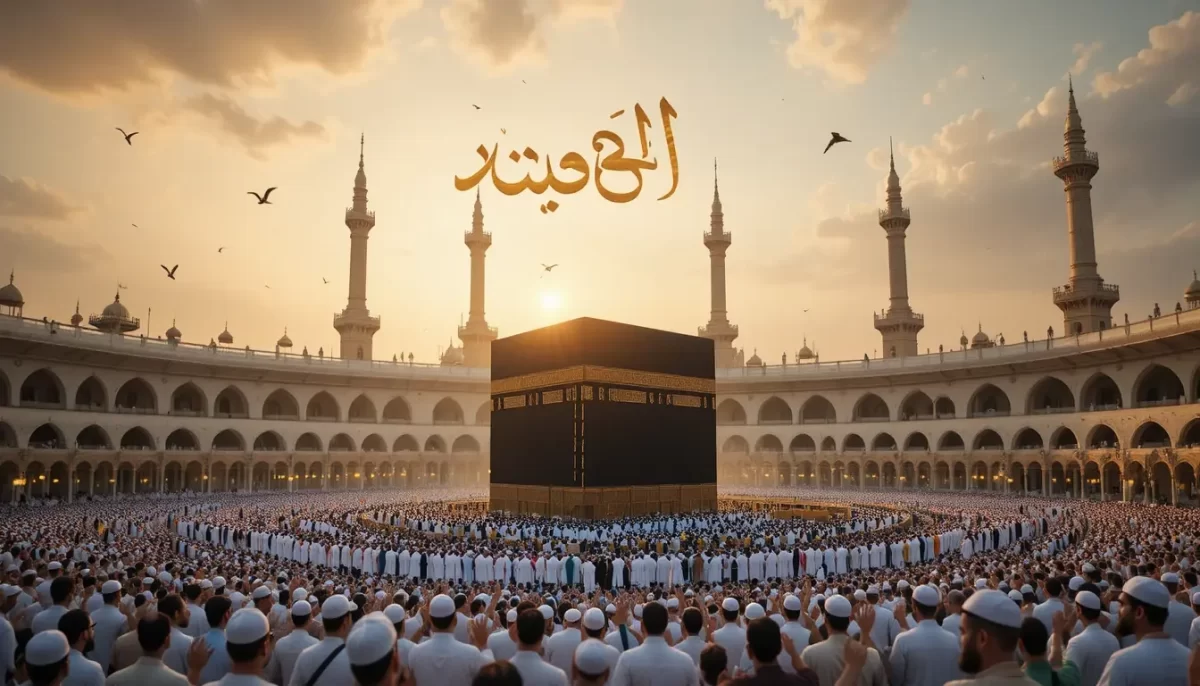
Hajj (Ḥajj al-Bayt Allah) is one of the greatest acts of worship in Islam and among the most spiritually transformative journeys a Muslim can undertake. Every year, millions of believers travel to the blessed city of Makkah to fulfill this sacred obligation, seeking the mercy, forgiveness, and pleasure of Allah Almighty.
The days of Dhul Hijjah, especially its first ten days, hold immense virtue and spiritual significance. These blessed days are filled with opportunities for worship, repentance, charity, remembrance of Allah, and the performance of Hajj. The pilgrimage to the Sacred House of Allah unites Muslims from every race, language, and nation in complete submission to their Creator.
The Quran and Sunnah repeatedly emphasize the excellence of Hajj, its rewards, and its role as one of the five pillars of Islam. A sincere and accepted Hajj (Ḥajj Mabroor) becomes a means of complete spiritual purification and forgiveness of sins.
This article explores the virtues, importance, conditions, rituals, and essential rulings of Hajj according to Islamic teachings.

The Virtues of the First Ten Days of Dhul Hijjah
The first ten days of Dhul Hijjah are among the most blessed days in Islam. Allah Almighty has honored these days with special virtues and opportunities for worship.
The Messenger of Allah ﷺ said:
“There are no days in which righteous deeds are more beloved to Allah than these ten days of Dhul Hijjah.”
During these blessed days, Muslims are encouraged to:
- Increase in worship and obedience
- Perform voluntary fasting
- Recite the Quran abundantly
- Engage in Dhikr (remembrance of Allah)
- Give charity generously
- Seek forgiveness sincerely
These sacred days also mark the season of Hajj, during which pilgrims gather at the House of Allah to fulfill one of Islam’s greatest obligations.
Read More: Qurbani in Islam
The Importance of Hajj in Islam
Hajj Is One of the Five Pillars of Islam
Hajj occupies a central place in Islam because it is one of the five foundational pillars upon which the religion stands.
The Prophet Muhammad ﷺ said:
“Islam is built upon five: testifying that there is no god except Allah and Muhammad is the Messenger of Allah, establishing prayer, paying Zakah, performing Hajj, and fasting Ramadan.”
Every financially and physically capable Muslim is required to perform Hajj once in a lifetime.
Quranic Command Regarding Hajj
Allah Almighty says in the Holy Quran:
“And Hajj to the House is a duty owed to Allah by people who are able to undertake it.”
This verse clearly establishes the obligation of Hajj upon every capable Muslim.
The Kaaba in Makkah is the first house established for the worship of Allah and serves as a spiritual center for believers across the world.
The Call of Prophet Ibrahim عليه السلام
After the construction of the Kaaba, Allah commanded Prophet Ibrahim (Ibrāhīm) عليه السلام to proclaim the pilgrimage among humanity.
Allah says:
“And proclaim the pilgrimage to mankind. They will come to you on foot and on every lean camel from every distant path.”
Islamic scholars mention that Allah allowed the call of Prophet Ibrahim عليه السلام to reach all souls destined to perform Hajj until the Day of Judgment.
What Is Hajj?
In Islamic terminology, Hajj refers to:
- Entering the state of Ihram
- Standing at Arafat on the 9th of Dhul Hijjah
- Performing Tawaf around the Kaaba
- Completing specific rituals during designated days
Hajj became obligatory in the ninth year after Hijrah and is required only once in a lifetime for those who meet the conditions.
Read More: The Virtue of Makkah Mukarramah
Conditions That Make Hajj Obligatory
Islamic scholars have explained several essential conditions for Hajj to become obligatory.
1. Being Muslim
Hajj is obligatory only upon Muslims.
2. Sanity
A person must be mentally sound.
3. Adulthood
Children are not obligated to perform Hajj, although their pilgrimage is rewarded.
4. Freedom
In classical Islamic rulings, a slave was not obligated to perform Hajj.
5. Physical Ability
A person must be physically capable of undertaking the journey.
6. Financial Capability
The pilgrim must possess sufficient provisions, travel expenses, and means of transportation.
7. Knowledge of the Obligation
A Muslim must know that Hajj is a compulsory act in Islam.
8. Proper Time
The conditions must exist during the months of Hajj.
Hajj Mabroor and Its Rewards
What Is Hajj Mabroor?
Ḥajj Mabroor refers to an accepted Hajj performed sincerely for the sake of Allah without sin, argument, showing off, or disobedience.
The Prophet ﷺ said:
“The accepted Hajj has no reward except Paradise.”
Another Hadith states:
“Whoever performs Hajj for Allah and avoids sinful speech and wrongdoing returns like the day his mother gave birth to him.”
This means that sincere pilgrims return purified from sins through the mercy of Allah Almighty.
Spiritual Benefits of Hajj
Hajj transforms the believer spiritually, morally, and emotionally.
Some major benefits include:
- Strengthening faith in Allah
- Developing patience and humility
- Promoting unity among Muslims
- Encouraging repentance and self-purification
- Reviving the Sunnah of Prophet Ibrahim عليه السلام
- Increasing gratitude and submission to Allah
Important Etiquettes Before Traveling for Hajj
A Muslim preparing for Hajj should observe proper Islamic manners and sincerity.
Essential Preparations for Hajj
Sincere Intention
Perform Hajj solely for the pleasure of Allah.
Repentance
Make sincere Tawbah from all sins.
Fulfill Rights of Others
Repay debts and return trusts before departure.
Use Halal Earnings
Travel expenses should come from lawful income.
Learn the Rules of Hajj
Study the rituals and rulings according to the Quran and Sunnah.
Avoid Showing Off
Do not seek fame through photography or social media during Hajj.
Maintain Good Character
Avoid arguments, foul speech, and harming others.
Protect the Prayers
Never neglect obligatory Salah during the journey.
The Five Days of Hajj Explained
1. Yawm al-Tarwiyah (8th Dhul Hijjah)
Pilgrims enter Ihram and travel to Mina, where they perform prayers and prepare spiritually for the coming days.
2. Day of Arafah (9th Dhul Hijjah)
The Day of Arafah is the greatest day of Hajj.
Pilgrims gather in the plain of Arafat, making dua, seeking forgiveness, and remembering Allah.
The Prophet ﷺ said:
“There is no day on which Allah frees more people from the Fire than the Day of Arafah.”
Standing at Arafat (Wuquf al-Arafah) is the most essential pillar of Hajj.
3. Night at Muzdalifah
After sunset, pilgrims travel to Muzdalifah, where they combine Maghrib and Isha prayers and collect pebbles for the ritual stoning.
4. Yawm al-Nahr (10th Dhul Hijjah)
This day includes several major rituals:
- Stoning Jamrat al-Aqabah
- Offering sacrifice
- Shaving or trimming hair
- Performing Tawaf al-Ziyarah
It also coincides with Eid al-Adha.
5. Days of Mina (11th–12th Dhul Hijjah)
Pilgrims remain in Mina and perform the stoning of all three Jamarat after midday.
Before leaving Makkah, pilgrims perform Tawaf al-Wida (Farewell Tawaf).
Warnings Regarding Hajj
Islamic scholars strongly advise pilgrims to avoid:
- Arguments and disputes
- Vanity and showing off
- Neglecting prayers
- Wasting time on unnecessary activities
- Using unlawful wealth for Hajj
- Hurting fellow pilgrims
A believer should spend these precious moments in worship, supplication, and remembrance of Allah.
The Mercy of Allah During Hajj
The days of Hajj are filled with divine mercy and forgiveness.
The Prophet ﷺ described how Allah boasts to the angels about the pilgrims gathered at Arafat and grants forgiveness to countless believers.
These sacred moments remind Muslims of the Day of Judgment, humility before Allah, and the hope of eternal salvation.
Conclusion
Hajj is a magnificent act of worship that combines faith, sacrifice, patience, obedience, and devotion to Allah Almighty. It is not merely a physical journey but a spiritual transformation that revives the heart and strengthens the believer’s relationship with the Creator.
The blessed days of Dhul Hijjah provide extraordinary opportunities for forgiveness, mercy, and spiritual growth. Every Muslim who possesses the ability should strive to fulfill this sacred obligation with sincerity, humility, and adherence to the Sunnah.
May Allah Almighty grant all Muslims the honor of performing Ḥajj Mabroor, accept their worship, forgive their sins, and bless the Ummah with guidance and unity. Ameen.
Frequently Asked Questions About Hajj In Islam
What is the importance of Hajj in Islam?
Hajj is one of the five pillars of Islam and is obligatory once in a lifetime for every financially and physically capable Muslim.
What is Hajj Mabroor?
Hajj Mabroor refers to an accepted Hajj performed sincerely for Allah while avoiding sins and disobedience.
When does Hajj take place?
Hajj is performed annually during the Islamic month of Dhul Hijjah, mainly from the 8th to the 12th.
What is the significance of the Day of Arafah?
The Day of Arafah is the most important day of Hajj and a day of immense forgiveness and mercy.
Who is obligated to perform Hajj?
Every adult Muslim who is sane, physically able, and financially capable must perform Hajj once in their lifetime.
What are the main rituals of Hajj?
The main rituals include Ihram, Wuquf at Arafat, staying at Muzdalifah, stoning the Jamarat, sacrifice, and Tawaf.
Can women perform Hajj?
Yes, women are fully permitted to perform Hajj according to Islamic guidelines.
What is Tawaf al-Wida?
Tawaf al-Wida is the farewell circumambulation around the Kaaba performed before leaving Makkah after Hajj.