
Table of contents
- Early Life and Background
- Education and Intellectual Formation
- Titles and Recognition
- Role in Defending Islam
- The Famous Debate of Agra (1854)
- Major Works and Contributions
- Participation in the War of Independence (1857)
- Migration to Makkah
- Establishment of Madrasah Sawlatiyah
- Students and Influence
- Relationship with Ottoman Empire
- Beliefs and Creed
- Passing Away
- Key Lessons from His Life
- Frequently Asked Questions About Mujahid of Islam Allama Rahmatullah Kairanvi
In an era when speaking the truth was considered a crime—and defending Islam could cost one’s life—one remarkable scholar stood firm. Allama Rahmatullah Kairanvi (رحمت اللہ کیرانوی) emerged as a fearless defender of Islam, a master debater, and a key figure in both intellectual and physical resistance against colonial and missionary forces.
His life was not merely about scholarship—it was a story of courage, migration, sacrifice, and unwavering commitment to truth. From defeating Christian missionaries in public debates to participating in the War of Independence of 1857, his legacy continues to inspire scholars and seekers of truth across the Muslim world.
This article explores his life, works, contributions, and enduring impact on Islamic scholarship.
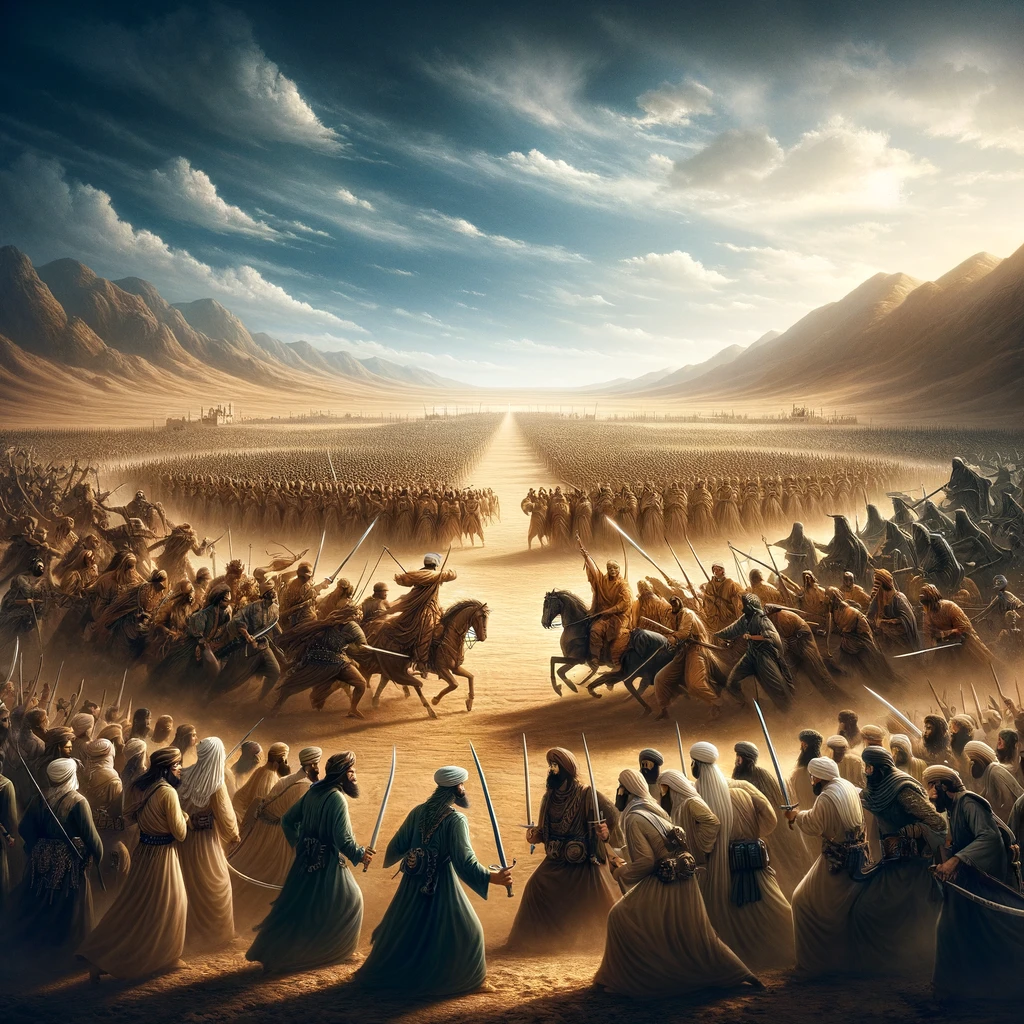
Read More: The Battle of Badrhttps://toobaquran.com/battle-of-badr/
Early Life and Background
Birth and Lineage
Allama Rahmatullah Kairanvi was born in March 1818 (1233 AH) in Kairana, Uttar Pradesh, India. He belonged to a noble lineage tracing back to the third Caliph of Islam:
- Caliph Uthman ibn Affan (رضي الله عنه)
This prestigious lineage reflects both spiritual and intellectual heritage.
Family Migration History
His ancestors migrated across regions:
- Madinah → Shiraz (Iran)
- Shiraz → Ghazni (Afghanistan)
- Ghazni → Panipat (India)
These migrations were often tied to religious service, scholarship, and governance.
Education and Intellectual Formation
Early Education
Raised in a scholarly family, his early education included:
- Quranic studies
- Persian language
- Islamic sciences
By age 12, he had completed foundational learning.
Advanced Studies
He pursued higher education in:
- Delhi (Madrasah Muhammad Hayat)
- Madrasah Rahimiyyah (Hadith studies)
- Lucknow
Notable Teachers
Some of his prominent teachers include:
- Maulana Khalil ur Rahman (his father)
- Shah Abdul Ghani (Hadith scholar)
- Mufti Saadullah Muradabadi
- Maulana Imam Bakhsh Sehbai

Read More: The Concept of Jihad in Islam
Titles and Recognition
Due to his immense contributions, he was honored with several titles:
- Muballigh-e-Islam (Preacher of Islam)
- Fakhr al-Ulama (Pride of Scholars)
- Fateh-e-Nasraniyat (Victor over Christianity)
- Rukn al-Haramayn (Pillar of the Two Holy Sanctuaries)
- Muhaddith al-Haram (Hadith Scholar of Makkah)
Role in Defending Islam
Rise of Christian Missionary Activity
During British rule, missionaries:
- Established schools and hospitals
- Distributed Christian literature in Urdu
- Targeted Muslims for conversion
This created widespread concern among Muslims.
Strategic Response
Allama Kairanvi:
- Wrote scholarly refutations
- Engaged in public debates
- Strengthened Muslim intellectual confidence

The Famous Debate of Agra (1854)
One of the most defining moments of his life was his debate with Pastor C.G. Pfander.
Key Topics of Debate
- Distortion of the Bible
- Abrogation (Naskh)
- Trinity
- Prophethood of Muhammad ﷺ
Outcome
- The pastor admitted textual alterations in the Bible
- Unable to respond effectively, he withdrew from the debate
- This event became a turning point in Islamic-Christian discourse
Major Works and Contributions
Allama Kairanvi authored numerous books in Arabic, Persian, and Urdu.
Most Famous Book
- Izhar al-Haqq (اظہار الحق)
A landmark work refuting Christianity and defending Islam.
Other Notable Works
- Izalat al-Awham
- Taqlib al-Mata’in
- Mi’yar al-Tahqiq
- Al-I’jaz al-Isawi
These works remain authoritative references in comparative religion.
Participation in the War of Independence (1857)
Allama Kairanvi was not only a scholar but also a freedom fighter.
His Role
- Organized and trained Mujahideen
- Delivered motivational speeches
- Led resistance in Kairana
A Remarkable Incident
While hiding from British forces:
- He disguised himself as a farmer
- Continued observing enemy movements
- Escaped capture despite intense searches
Migration to Makkah
After the failure of the 1857 uprising:
- His property was confiscated
- Arrest warrants were issued
Journey to Hijaz
He migrated to Makkah via:
- Jaipur & Jodhpur deserts (on foot)
- Port of Surat (by sea)
This migration marked a new chapter in his life.
Establishment of Madrasah Sawlatiyah
In Makkah, he established:
Madrasah Sawlatiyah
- Founded in 1874 (1291 AH)
- Supported by Sawlat-un-Nisa Begum
Impact
- Became a major center of Islamic learning
- Produced renowned scholars worldwide
Students and Influence
His students included:
- Chief Justices of Makkah
- Grand Muftis
- Scholars of Haramayn
His influence spread across:
- Arabia
- India
- Southeast Asia
Relationship with Ottoman Empire
The Ottoman Sultan:
- Invited him to Constantinople
- Honored him with:
- Royal robe
- Title “Rukn al-Haramayn”
His debate opponent fled upon hearing of his arrival—further solidifying his intellectual dominance.
Beliefs and Creed
Allama Kairanvi followed:
- Ahl al-Sunnah wa al-Jama‘ah
He had deep respect for spiritual scholars like:
- Pir Mehr Ali Shah Golravi
His writings and endorsements clearly affirm his Sunni creed.
Passing Away
He passed away on:
- 1 May 1891 (22 Ramadan 1308 AH)
Burial
- Jannat al-Mu‘alla, Makkah
- Near Sayyidah Khadijah (رضي الله عنها)
Key Lessons from His Life
- Courage in truth: Stand firm even in dangerous times
- Knowledge is power: Intellectual strength defeats falsehood
- Action matters: Combine scholarship with real-world effort
- Unity of faith and struggle: Balance between teaching and defending Islam
Frequently Asked Questions About Mujahid of Islam Allama Rahmatullah Kairanvi
1. Who was Allama Rahmatullah Kairanvi?
A renowned Islamic scholar, debater, and freedom fighter known for defending Islam against Christian missionaries.
2. What is his most famous book?
Izhar al-Haqq, a powerful refutation of Christianity.
3. What happened in the Agra debate?
He defeated Pastor Pfander in a public debate, exposing contradictions in the Bible.
4. Did he participate in the 1857 war?
Yes, he actively participated and led resistance efforts.
5. Where did he migrate after the war?
He migrated to Makkah, where he continued his scholarly work.
6. What institution did he establish?
Madrasah Sawlatiyah, a major Islamic seminary in Makkah.
7. What was his sect?
He followed Ahl al-Sunnah wa al-Jama‘ah