
Table of contents
- Introduction
- The Historical Significance of Pakistan Day
- A Day to Renew Our National Commitment
- Loyalty to the Homeland: A Religious and Moral Duty
- The Reward of Martyrs in Islam
- Unity: The Greatest Strength of a Nation
- Lessons from History: Rise and Fall of Nations
- Cooperation in Goodness and Righteousness
- Serving Humanity: A Core Islamic Value
- The Power of Unity: A Simple Analogy
- The Way Forward for Pakistan
- A Heartfelt Prayer for the Nation
- Frequently Asked Questions About Pakistan Day in the Light of Current Affairs
Introduction
Pakistan Day is not merely a historical reminder—it is a powerful call to reflection, unity, and responsibility. Every year on March 23, we commemorate a defining moment that shaped the destiny of millions of Muslims in the subcontinent. But beyond celebrations and ceremonies, this day urges us to ask a deeper question: Are we truly fulfilling the purpose for which Pakistan was created?
At a time when challenges surround us—social division, economic struggles, and moral decline—the message of Pakistan Day becomes even more relevant. It reminds us of sacrifice, unity, faith, and commitment to Islamic values.
This is not just history—it is a living responsibility.
Read More: The Protection of the Environment
The Historical Significance of Pakistan Day
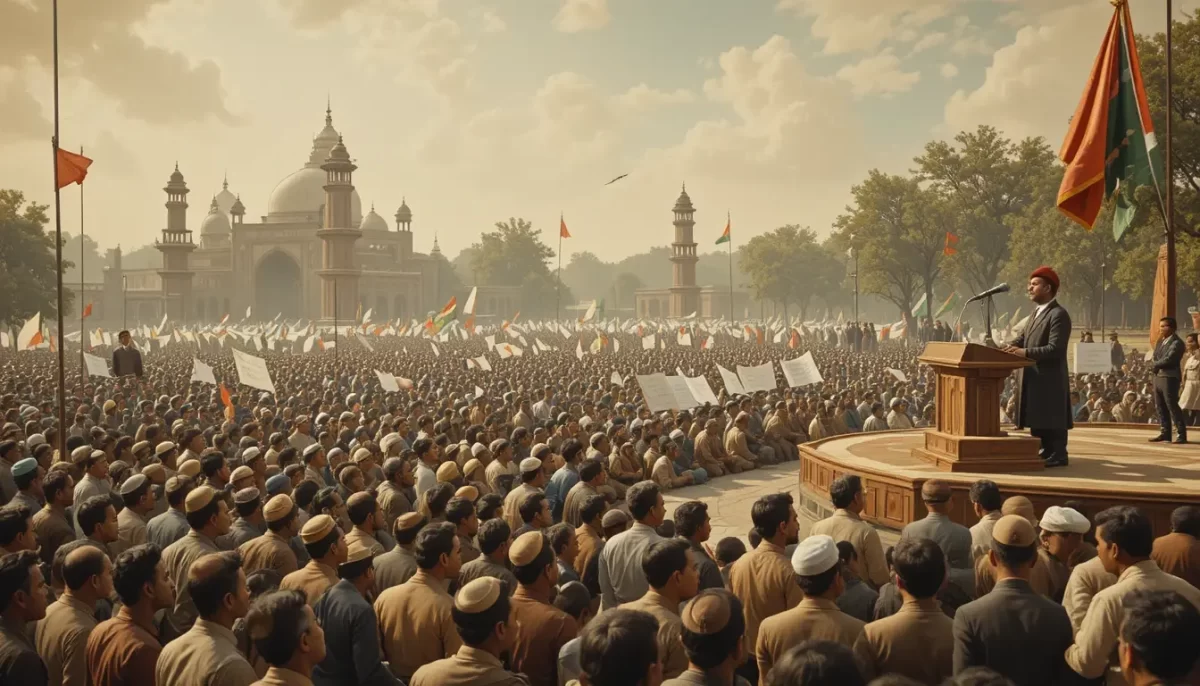
On March 23, 1940, a historic resolution was presented at Minto Park (now Iqbal Park), Lahore. This resolution, later known as the Pakistan Resolution, called for an independent homeland for Muslims of the subcontinent.
It was a moment of clarity and determination:
- Muslims affirmed their distinct identity
- They rejected assimilation into a non-Islamic system
- They demanded a separate state where Islamic principles could flourish
Within just seven years, this vision became reality with the creation of Pakistan.
Pakistan Day is therefore:
- A symbol of freedom
- A tribute to Muslim leadership and sacrifice
- A reminder of ideological purpose
A Day to Renew Our National Commitment
Pakistan Day is not just about speeches—it is a day of renewing our pledge of loyalty.
We must:
- Work for the progress and stability of Pakistan
- Rise above racial, ethnic, and linguistic differences
- Use our abilities for the betterment of society
True patriotism lies in action, not words.
Loyalty to the Homeland: A Religious and Moral Duty
Love for one’s homeland is deeply rooted in Islamic teachings. It is part of faith to protect, honor, and serve the land we belong to.
Our responsibilities include:
- Respecting laws and national institutions
- Protecting the country’s dignity and reputation
- Contributing to peace and development
Key reminder:
If the country remains strong, its people remain secure.
The Reward of Martyrs in Islam
Those who sacrificed their lives for the creation and protection of Pakistan hold a noble status in Islam.
Allah Almighty says:
“They are alive with their Lord, receiving provision, rejoicing in what Allah has given them of His bounty…” (Qur’an 3:169-171)
These martyrs:
- Are honored eternally
- Continue to receive reward
- Serve as inspiration for future generations
Their sacrifices demand that we uphold the values they died for.
Unity: The Greatest Strength of a Nation
Unity (Ittihad) is one of the greatest blessings for any nation.
The Prophet ﷺ said:
“Whoever desires the center of Paradise should remain with the الجماعة (main body of Muslims).”
Unity leads to:
- Strength and stability
- Collective progress
- Protection from external threats
Division, on the other hand, leads to weakness and decline.
Lessons from History: Rise and Fall of Nations
History clearly shows:
- Nations rise through unity and discipline
- Nations fall due to division and conflict
Even the most powerful nations collapse when internal unity is lost.
Allah says:
“Do not dispute, lest you lose courage and your strength departs.” (Qur’an 8:46)
This is a timeless warning.
Cooperation in Goodness and Righteousness
Islam teaches us to support one another in goodness (birr) and piety (taqwa).
Allah commands:
“Cooperate in righteousness and piety…” (Qur’an 5:2)
This includes:
- Building schools and institutions
- Supporting healthcare and welfare
- Developing infrastructure
- Helping the needy
National development is a shared responsibility.

Serving Humanity: A Core Islamic Value
Service to humanity is a hallmark of a true Muslim.
The Prophet ﷺ said:
“A Muslim is the brother of another Muslim… Whoever fulfills the needs of his brother, Allah will fulfill his needs.”
Serving others:
- Strengthens society
- Builds unity
- Brings immense reward in the Hereafter
The Power of Unity: A Simple Analogy
A single drop of water has little value—but when drops unite, they form rivers, oceans, and storms.
Similarly:
- One individual is limited
- A united nation is unstoppable
Unity transforms weakness into power.
The Way Forward for Pakistan
To achieve true progress, we must:
1. Strengthen Unity
- Avoid sectarianism and division
- Promote brotherhood and tolerance
2. Follow Islamic Values
- Practice honesty, justice, and compassion
- Align our lives with Qur’an and Sunnah
3. Serve the Nation
- Participate in development
- Protect national assets
4. Honor Sacrifices
- Remember the martyrs
- Preserve the ideology of Pakistan
A Heartfelt Prayer for the Nation
O Allah, grant us the ability to understand the true purpose of Pakistan.
Bless our country with peace, unity, and prosperity.
Protect us from internal and external threats.
Guide our leaders toward justice and sincerity.
Grant mercy to our martyrs and elevate their ranks.
Unite the Muslim Ummah and grant relief to oppressed Muslims worldwide.
Ameen.
Frequently Asked Questions About Pakistan Day in the Light of Current Affairs
1. Why is Pakistan Day celebrated?
Pakistan Day commemorates the Lahore Resolution of 1940, which led to the creation of Pakistan.
2. What is the importance of unity in Islam?
Unity is essential for strength and success; division leads to weakness and failure.
3. How can we serve Pakistan as individuals?
By following laws, contributing positively to society, and promoting unity and morality.
4. What does Islam say about love for الوطن (homeland)?
Love for الوطن is considered part of faith and encourages responsibility and loyalty.
5. What is the role of youth in Pakistan’s future?
Youth must lead with knowledge, discipline, and commitment to Islamic and national values.
6. How does Islam encourage social welfare?
Through charity, cooperation, and service to humanity.